The Connection Between Sleep Quality and Chronic Musculoskeletal Pain
&srotate=0)
Published in The Ospina Orthopedic Blog ~ 4 min read ~ Last Updated: September 10, 2025
An Important Connection
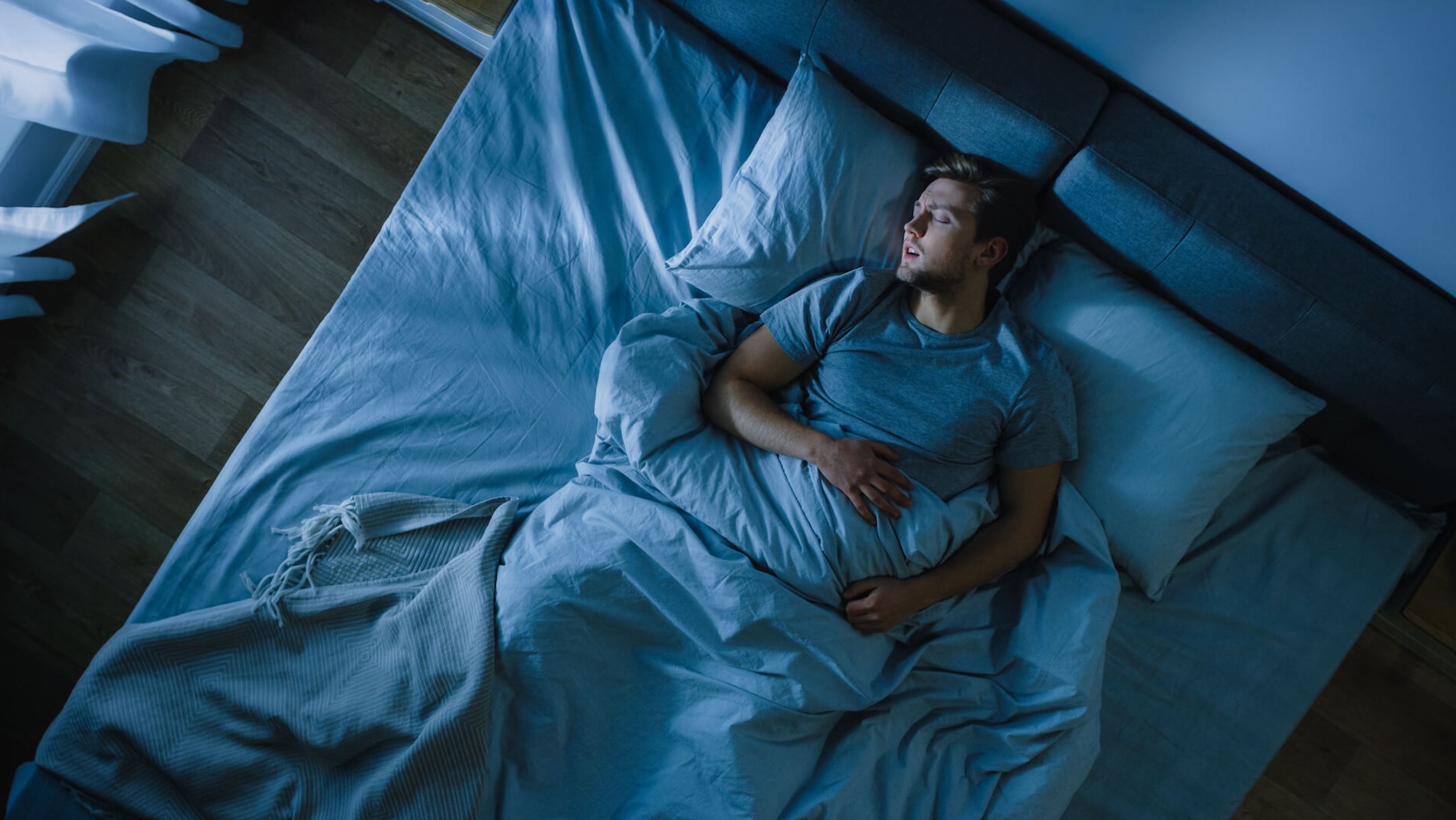
It’s one of the most frustrating experiences for anyone living with chronic pain: you’re exhausted and know you need a good night’s sleep to feel better, but the very pain you’re trying to escape makes it impossible to get comfortable. You toss and turn, your aching back, neck, or joints serving as a constant, unwelcome reminder of your discomfort. The next morning, you wake up feeling even more tired, stiff, and sore than before.
This isn’t just a coincidence or a matter of bad luck. It’s a well-documented physiological loop. A powerful, bidirectional relationship exists between sleep quality and chronic musculoskeletal pain, creating a vicious cycle that can be difficult to break. Understanding this connection is the first step toward taking control and finding strategies that can improve both your rest and your pain levels.
The Vicious Cycle: How Pain and Sleep Affect Each Other
The link between pain and sleep is a two-way street. It’s easy to understand how pain disrupts sleep, but research shows that the reverse is just as true: poor sleep directly amplifies your perception of pain. Studies show that between 67% and 88% of individuals with chronic pain also experience significant sleep disruption.
Here are the key scientific reasons why a lack of quality sleep can make your pain worse:
- Increased Inflammation: Sleep is a critical time for the body to regulate its inflammatory processes. When your sleep is fragmented or insufficient, your body produces more pro-inflammatory molecules called cytokines. For someone with an inflammatory condition like arthritis or tendinitis, this is like adding fuel to the fire, leading to increased pain and stiffness.
- Lowered Pain Threshold: Sleep deprivation changes the way your brain and central nervous system process pain signals. It can lower your natural pain threshold, meaning that stimuli that might have been mildly uncomfortable can feel intensely painful. Essentially, poor sleep turns up the volume on your pain.
- Impaired Tissue Repair: Your body does its most important repair work during the deep stages of sleep. This is when it releases growth hormone, which is essential for repairing muscles, tendons, and other tissues that have been stressed during the day. When deep sleep is interrupted, this vital recovery process is compromised, hindering your body's ability to heal.
Sleep is not a passive state of rest; it is an active and essential physiological process for managing pain and repairing tissue. Viewing sleep as a form of "overnight therapy" reframes it from a luxury to a non-negotiable component of any comprehensive pain management plan.
Practical Strategies for Better "Sleep Hygiene"
When you’re in pain, being told to “just get more sleep” can feel dismissive and unhelpful. The goal is not to add more pressure but to create the best possible conditions for your body to achieve restorative rest. The practice of improving these conditions is known as "sleep hygiene."
Here are some actionable strategies you can implement:
- Maintain a Consistent Schedule: Try to go to bed and wake up at roughly the same time every day, even on weekends. This helps regulate your body's internal clock, or circadian rhythm, making it easier to fall asleep and stay asleep.
- Optimize Your Sleep Environment: Your bedroom should be a sanctuary for rest. Keep it cool, dark, and quiet. Invest in a supportive mattress and pillows that properly align your spine and take pressure off sensitive joints.
- Create a "Wind-Down" Routine: In the hour before bed, engage in calming activities that signal to your brain it's time to rest. This could include gentle stretching, taking a warm bath, reading a physical book, or practicing deep breathing exercises. Avoid screens, as the blue light from phones and TVs can suppress melatonin, the hormone that promotes sleep.
- Watch Your Habits: Avoid stimulants like caffeine and nicotine, as well as alcohol, for at least six hours before bedtime. While alcohol might make you feel drowsy initially, it disrupts sleep patterns later in the night.
Conclusion: A Holistic Approach to Your Wellness
The link between poor sleep and chronic pain is undeniable. While improving your sleep hygiene won’t make a complex musculoskeletal condition disappear overnight, it is an empowering and essential part of managing your symptoms and improving your quality of life. It’s a non-invasive strategy that can significantly complement the medical treatments you receive.
This whole-person approach is central to the care provided at Ospina Medical. We believe in creating comprehensive treatment plans that address not only the specific source of your pain but also the crucial lifestyle factors, like sleep, that contribute to your overall health and well-being. If you are ready to break the cycle of pain and sleeplessness, schedule a consultation with Dr. Matthew Kohler to discuss a plan tailored to you.
A Riley Publication ~ Branded Thought Leadership by Riley Partners and Publications, Inc.
Medically Reviewed by: Matthew Kohler, MD
References
CB Physiotherapy. (2024). Sleepless Nights, Aching Joints: Why Disturbed Sleep Could Be Aggravating Your Musculoskeletal Pain. CB Physiotherapy.
Finan, P. H., Goodin, B. R., & Smith, M. T. (2013). The association of sleep and pain: an update and a path forward. The journal of pain : official journal of the American Pain Society, 14(12), 1539–1552.
Kelly, G. A., Blake, C., Power, C. K., O'Keeffe, D., & Fullen, B. M. (2021). The association between sleep problems and pain in a chronic pain clinical sample. The Clinical journal of pain, 37(1), 31–38.
LA Pain Care. (2025). Sleep Hygiene Tips for Better Pain Management. LA Pain Care.
MyHealth.Alberta.ca. (2024). Chronic Pain: Improving Your Sleep. Alberta Health Services.
Pereira, D., & Gross, M. T. (2022). The relationship between sleep and pain. International journal of sports physical therapy, 17(4), 525–534.
Disclaimer
This article is for informational purposes only and does not constitute medical advice. Please consult with your healthcare provider for any personal health concerns.