Beyond PRP: What is Platelet Lysate and How is it Used for Spine Conditions?
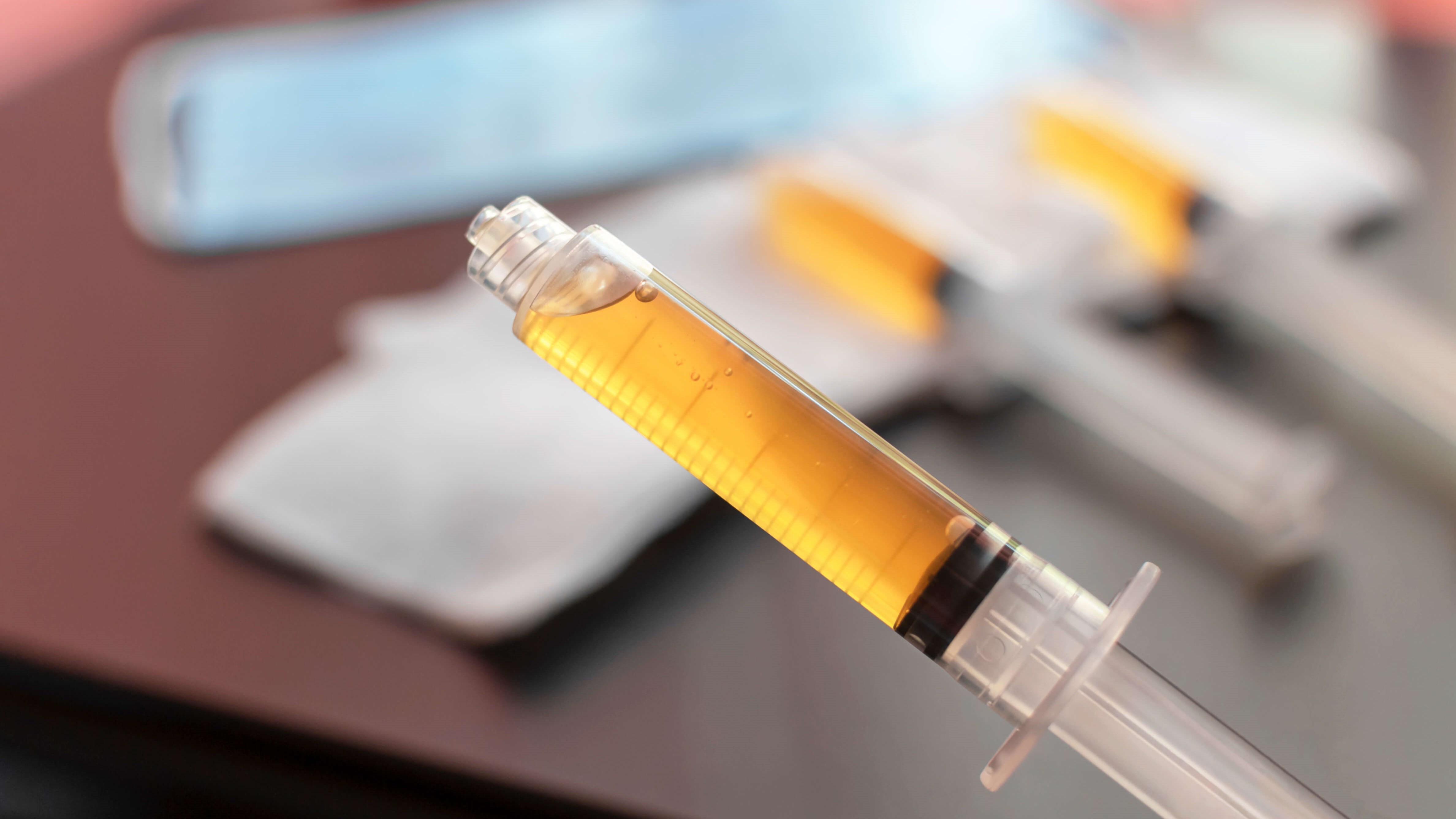&srotate=0)
Published in The Ospina Orthopedic Blog ~ 5 min read ~ Last Updated: July 25, 2025
Introduction: The Evolution of Regenerative Orthopedics
In the world of regenerative medicine, Platelet-Rich Plasma (PRP) has become a well-known term. Patients and physicians alike recognize its potential to support the body's ability to improve function in joints, tendons, and ligaments. However, for the informed patient seeking the most advanced care, it is important to understand that the field is constantly evolving. The science of orthobiologics is not a one-size-fits-all discipline.
One of the most important advancements is a second-generation platelet preparation called Platelet Lysate (PL) by Regenexx. While derived from PRP, it has fundamentally different properties that make it a uniquely powerful tool for a different set of problems—specifically, delicate and complex conditions involving the spine and nerves. This article will explain the key differences between PRP and PL and detail why PL is a preferred tool for treating conditions like sciatica and pain from herniated discs.
A Tale of Two Platelets: PRP vs. Platelet Lysate
Both PRP and Platelet Lysate start with a patient's own blood. The key difference lies in the laboratory processing and the intended mechanism of action.
PRP: The Time-Release Capsule
Standard PRP is a concentration of whole platelets. When injected into an injured area like an arthritic knee or a damaged tendon, these platelets act like tiny time-release capsules. Over the course of about a week, they gradually release their payload of healing and anti-inflammatory growth factors to orchestrate a repair response. This slow, sustained release is ideal for many musculoskeletal tissues.
Platelet Lysate: The Immediate-Release Solution
Platelet Lysate takes the process a crucial step further. At our on-site laboratory, after the platelets have been concentrated, they are put through a process called lysis, which means they are broken open. This ruptures the platelet membranes, releasing their entire cargo of growth factors and anti-inflammatory proteins at once. The resulting solution is then filtered to remove the cellular debris, creating a pure, acellular concentration of bioactive proteins.
The key differences are:
- Speed of Action: PRP is slow-release. Platelet Lysate is immediate-release, delivering a potent dose of growth factors right away.
- Composition: Platelet Lysate is acellular. By removing the cell membranes, we are left with a pure solution of proteins that is uniquely suited for use in sensitive areas, like the epidural space around the spinal cord.
Why Platelet Lysate for the Spine? A Question of Precision and Purpose
Treating pain that originates from the spine—especially when it involves an irritated or compressed nerve root from a bulging disc or spinal stenosis (a condition known as radicular pain or "sciatica")—requires a highly specialized and precise approach. The anatomy is delicate, and the target is a sensitive nerve. This is where Platelet Lysates for back pain unique properties become a significant advantage.
The immediate, powerful burst of anti-inflammatory proteins and growth factors released from PL is ideal for calming a "hot," irritated nerve root. Because the preparation is acellular and has been filtered, it can be safely delivered into the epidural space, directly surrounding the affected nerve.
This approach offers an advanced alternative to traditional epidural steroid injections. Instead of using a high-dose synthetic steroid to suppress inflammation, a Platelet Lysate epidural uses your body's own biological signaling molecules to help create a healthier environment around the nerve. Clinical evidence supports this application. A study on the use of PL for epidural injections, which included data from the Regenexx patient registry, followed 470 patients with lumbar radicular pain. The results showed that patients reported significant improvements in both pain and function, and these improvements were sustained through the two-year follow-up period. Furthermore, Regenexx's own outcome data for lumbar spine procedures shows patients report an average 30% decrease in pain after one month, with overall improvement reaching 45% after three months.
Conclusion: The Right Tool for the Right Job
The choice between PRP and Platelet Lysate is not a matter of one being "better" than the other. It is about a sophisticated, personalized approach to medicine that involves selecting the right biological tool for the specific anatomical target. This level of specialization is a hallmark of a leading regenerative medicine practice.
At Ospina Medical, our commitment to remaining at the forefront of healthcare means utilizing a flexible, on-site laboratory platform. This capability allows us to create custom-tailored orthobiologic treatments designed for your exact needs—whether that is PRP for a knee joint or a precisely delivered Platelet Lysate injectate for an irritated spinal nerve.
If you are suffering from back pain, neck pain, or sciatica and are looking for a non-surgical solution beyond standard injections, contact us to schedule a comprehensive evaluation with Dr. Matthew Kohler and learn if a procedure using Platelet Lysate is right for you.
A Riley Publication ~ Branded Thought Leadership by Riley Partners and Publications, Inc.
Medically Reviewed by: Matthew Kohler, MD
References
Centeno, C., et al. (2017). The use of lumbar epidural injection of platelet lysate for treatment of radicular pain. Journal of Experimental Orthopaedics, 4(1), 38.
Centeno-Schultz Clinic. (2020). PRP vs. Platelet Lysate: What's the Difference?
Da Fonseca, L., et al. (2021). Human platelet lysate – A potent (and overlooked) orthobiologic. PubMed Central
Integrative Rehabilitation Medicine. (n.d.). Treating the Spine and Nerves with PRP Platelet Lysate Epidural Injections.
Navin, S. (n.d.). Regenexx Platelet Lysate Procedure.
Ospina Medical. (n.d.). What is the Difference Between PRP and PL?
The Spine & Pain Center. (n.d.). Regenexx Procedures for Spine Conditions.
Disclaimer
This article is for informational purposes only and does not constitute medical advice. Please consult with your healthcare provider for any personal health concerns.