Back in Motion: Low Back Pain, Recovery & Regenerative Orthopedic Solutions
&srotate=0)
Back in Motion: Low Back Pain, Recovery & Regenerative Orthopedic Solutions
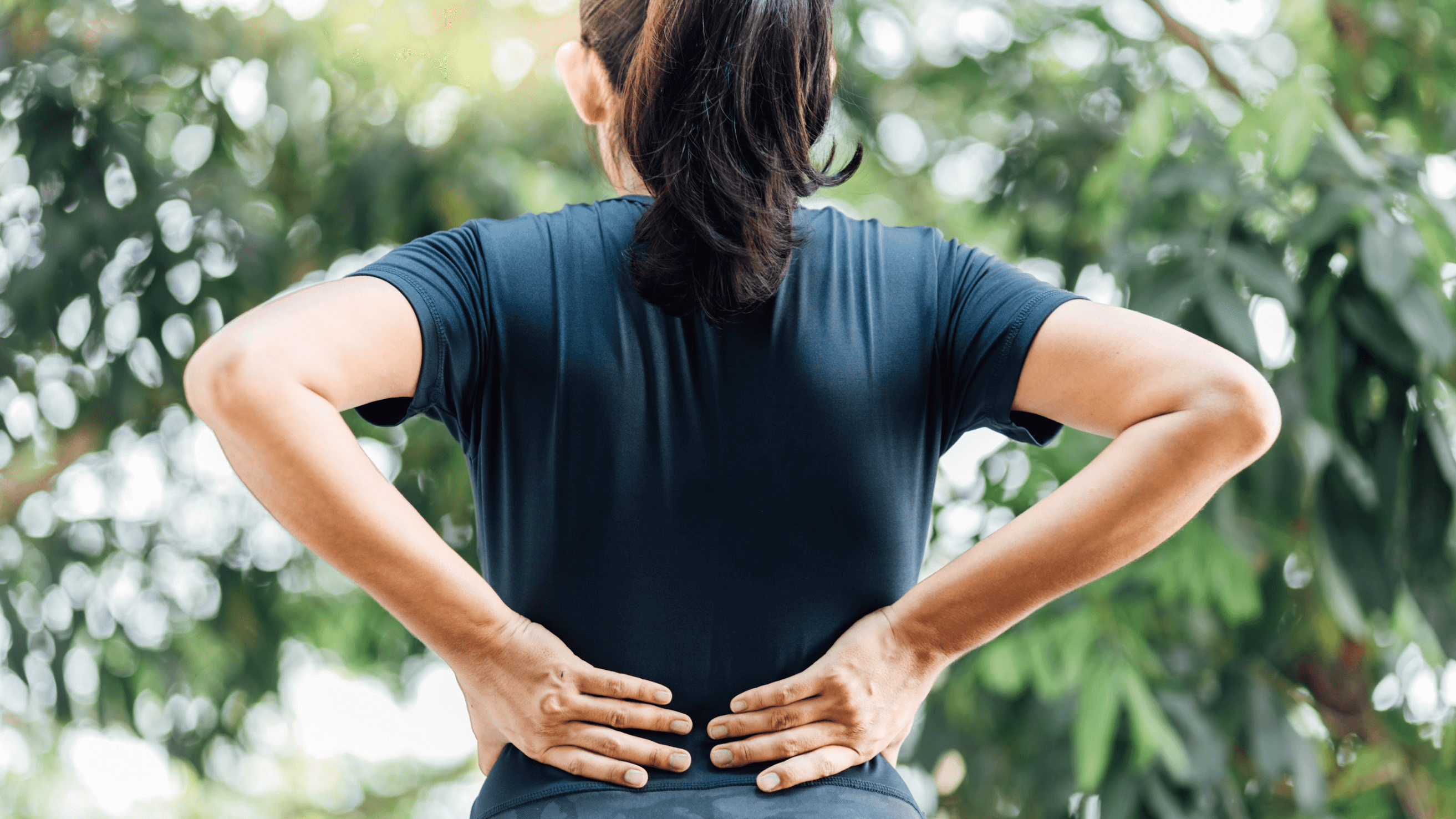
Low back pain is one of the most common reasons people miss work, skip workouts, or seek medical care. Whether it’s a dull ache after sitting too long, stiffness after lifting weights, or a sudden twinge during a run, back pain can stop you in your tracks.
At Ospina Medical, we understand that back pain isn’t just a discomfort—it’s a disruption to your life. While pain medication and rest can help temporarily, long-term recovery means addressing the root cause and restoring the body’s natural ability to heal.
The good news? With the right combination of regenerative medicine, movement therapy, and orthopedic care, lasting relief is possible.
Understanding the Low Back Pain Cycle
Your spine is a strong yet flexible structure, built to support movement and absorb daily stress. But when posture, muscle balance, or spinal alignment are off, the lower back can become overloaded—leading to pain, stiffness, and inflammation.
Common Causes of Low Back Pain
- Lumbar Strain or Sprain – Overuse or sudden movement that overstretches muscles and ligaments
- Herniated or Bulging Disc – Pressure on spinal nerves causing radiating or sharp pain
- Facet Joint Syndrome – Inflammation in the small stabilizing joints of the spine
- Sacroiliac (SI) Joint Dysfunction – Imbalance or inflammation at the base of the spine
- Degenerative Disc Disease – Wear and tear that reduces flexibility and causes chronic stiffness
These issues often start with minor irritation and gradually develop into persistent or chronic pain if left untreated.
Why Rest Alone Isn’t Enough
Many patients try rest, massage, or over-the-counter pain relievers as their first approach to back pain. While rest may help reduce acute inflammation, it doesn’t repair damaged tissue or correct movement imbalances.
Sustainable recovery requires rebuilding strength, improving mobility, and restoring the spine’s natural alignment—especially when pain has lasted longer than a few weeks.
How Movement Patterns and Posture Affect the Spine
Poor posture, weak core muscles, and tight hip flexors are some of the biggest contributors to chronic lower back pain . These imbalances increase pressure on spinal discs and joints, creating a cycle of discomfort and dysfunction.
Common Movement Triggers
- Slouched posture increases pressure on the discs
- Weak glutes or core reduce spinal stability
- Tight hip flexors tilt the pelvis and strain the lower back
- Improper lifting form overstresses lumbar muscles
Improving these movement patterns through core strengthening, gait analysis, and posture correction can significantly reduce the risk of recurring back pain.
Top Orthopedic & Recovery Tips for Back Pain Relief
1. Strengthen Your Core and Glutes
These muscles provide vital support for your spine and reduce excess load on the lower back.
2. Prioritize Mobility and Stretching
Gentle stretches for the hips, hamstrings, and thoracic spine help improve flexibility and circulation.
3. Set Up an Ergonomic Workspace
Use proper lumbar support and monitor height to maintain neutral spine posture throughout the day.
4. Stay Active
Low-impact activities such as swimming, cycling, and walking promote blood flow and healing.
5. Listen to Early Warning Signs
Don’t ignore stiffness, numbness, or shooting pain. Early evaluation helps prevent chronic issues.
When Back Pain Persists: Regenerative Medicine for Natural Healing
If traditional treatments like physical therapy, chiropractic care, or steroid injections haven’t provided lasting relief, regenerative orthopedic treatments may offer a non-surgical alternative.
At Ospina Medical, Dr. Matthew Kohler and his team specialize in image-guided regenerative therapies designed to stimulate the body’s natural repair process and restore function—without surgery or long recovery times.
Our Advanced Regenerative Options Include:
- Platelet-Rich Plasma (PRP) Therapy for Back Pain
Uses your own platelets and growth factors to accelerate healing of muscles, ligaments, and discs.
- Prolotherapy
Stimulates collagen production to strengthen spinal ligaments and improve joint stability.
- Bone Marrow Concentrate (BMC) Therapy
Delivers stem cell-rich healing factors to regenerate soft tissue and reduce chronic inflammation.
- Image-Guided Injections
Ensure precise placement of treatment for maximum effectiveness and minimal downtime.
These minimally invasive, evidence-based treatments target the root cause of pain, not just the symptoms—helping patients avoid surgery and get back to active living.
Conclusion: Restore Strength, Relieve Pain, and Move Freely Again
Your spine is the foundation of movement, stability, and strength. With regenerative medicine for back pain , you can recover naturally and regain your quality of life—without relying on pain pills or surgery.
At Ospina Medical, our mission is to help patients move better, feel stronger, and heal from within using advanced non-surgical orthopedic treatments.
Ready to find lasting relief from low back pain?
Schedule your consultation with Dr. Matthew Kohler today to learn how PRP, Prolotherapy, or BMC therapy can help you recover and get back in motion.
Because the best kind of relief is the one that lets your body do what it was built to do—heal itself.